How to Find a Vacation Home that Pays for Itself-Short Term Rental Strategies.
Owning a vacation home in Michigan doesn’t necessarily mean owning a property that sits empty when you’re not using it. For many buyers, the ideal vacation property is one they can enjoy with family and friends while also generating short-term rental income during the weeks and weekends they aren’t there.
As a seasoned real estate agent of 30 years, I also have firsthand experience owning and operating vacation rental properties, so I understand these purchases from both sides of the transaction. My wife and I own two pieces of property in White Cloud, as part of an adventure destination called Dragon Adventures Base Camp-a place for people to get away and experience awesome adventures like mountain biking, kayaking, boating, and more in Michigan’s Hardy Dam area. Below is my guide that helped us make the decision to purchase our property and others in my sphere.
The Best Vacation Property Can Serve Two Purposes
One of the things I like most about vacation real estate is the ability to combine lifestyle and investment.
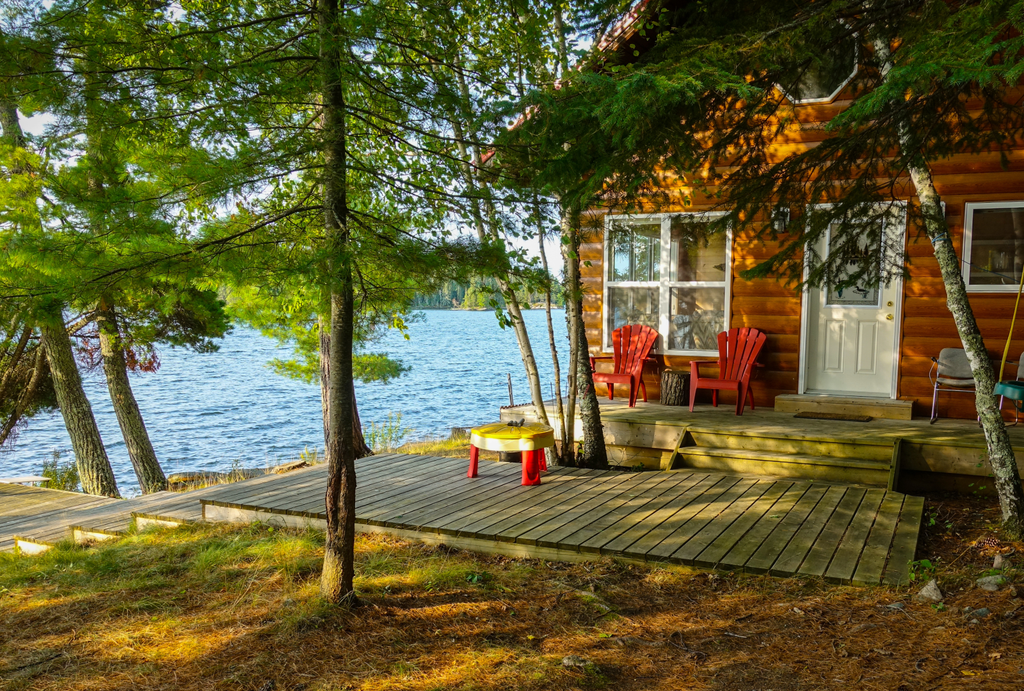
Maybe you’ve always wanted a cabin near the water, a cottage near a mountain bike trail, or a place where your family can spend summer weekends. Instead of having that property sit vacant the majority of the year, a short-term rental strategy may allow you to generate income when you’re not using it. That rental income can potentially help offset the mortgage payment, property taxes, insurance, utilities, maintenance and improvements.
In the right situation, you’re building equity in a piece of real estate while also having your own Michigan getaway.
Where Should You Buy a Vacation Home in West Michigan?
Location is one of the most important factors when considering a West Michigan vacation home or short-term rental investment.
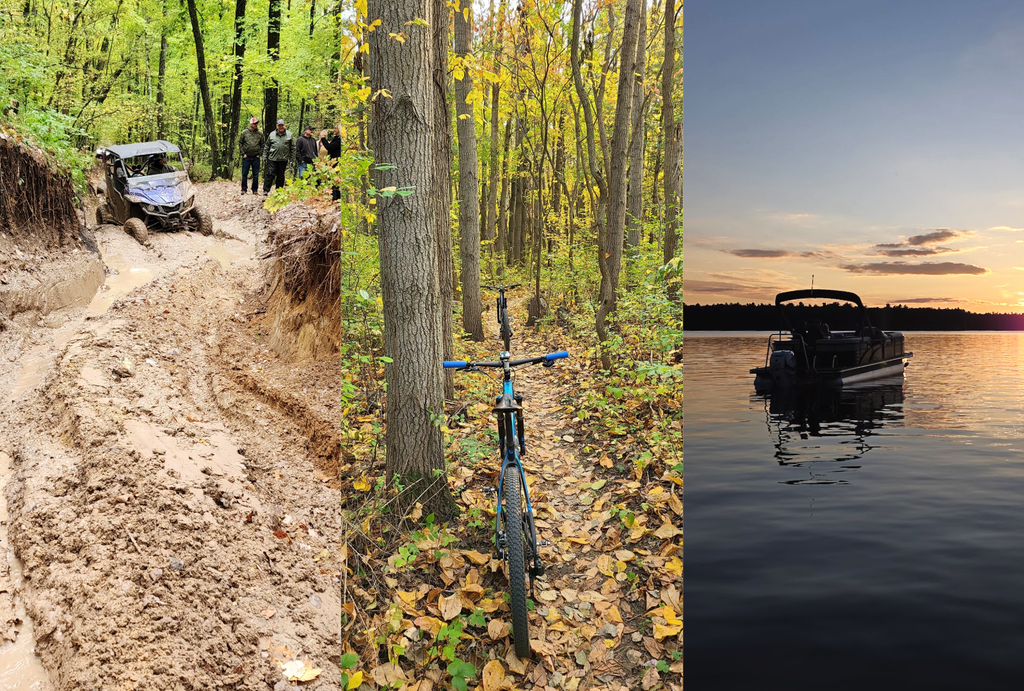
I’ve always been a believer in recreational destinations. People travel for experiences, and properties located near those experiences can have a natural advantage in the vacation rental market. Throughout West Michigan, that could mean a property near Hardy Dam Pond, the Dragon Trail, Newaygo, White Cloud, Croton, the Muskegon River, Lake Michigan, inland lakes, mountain bike trails, ORV routes, boating, kayaking, fishing and other outdoor recreation opportunities.
A cabin five minutes from a major recreation destination can sometimes make considerably more sense as a vacation rental than a nicer property 30 or 40 minutes away. That’s why I encourage buyers to look beyond the house itself. We need to think about why someone would travel to the area and, more importantly, why they would choose to stay at your property. But you also want to make sure you’re buying in an area that you enjoy as well. Otherwise it isn’t a vacation for you either when you visit.
Not Every Great Cabin Is a Great Short-Term Rental
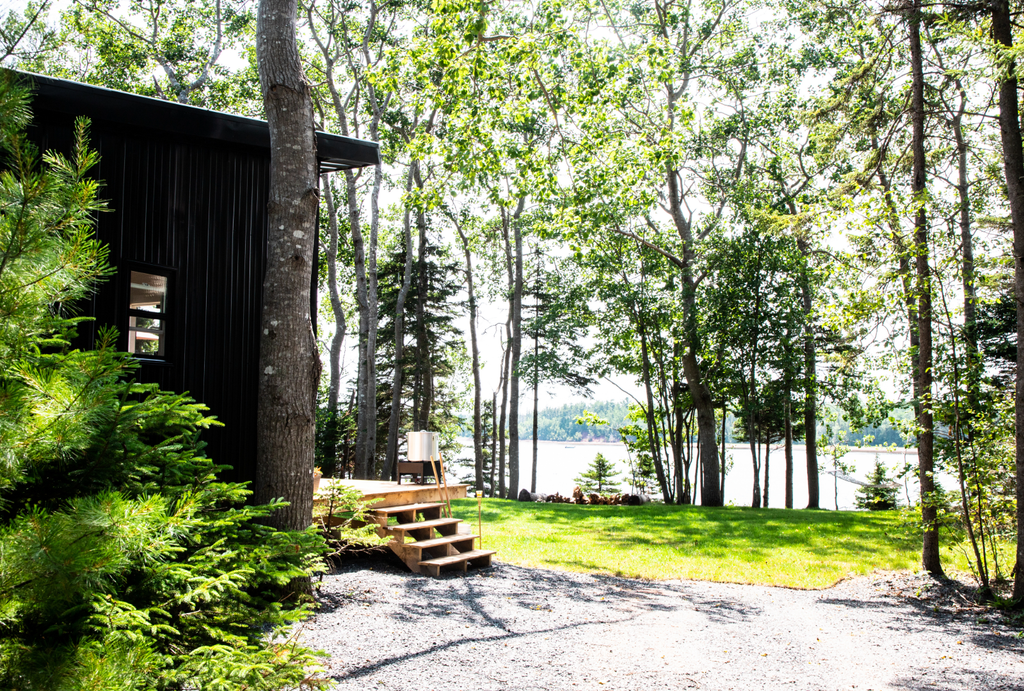
This is where having experience with vacation rentals can make a big difference. A beautiful cabin isn’t automatically a good investment property.
When I’m looking at a potential short-term rental property in Michigan, I’m also thinking about parking, privacy, number of bedrooms, sleeping capacity, outdoor spaces, proximity to attractions, year-round accessibility and what makes the property different from competing rentals.
Sometimes relatively simple features can dramatically improve a vacation property. A firepit, covered porch, hot tub, secure bike storage, kayak storage, outdoor gathering space or additional sleeping area may help turn an ordinary property into a much more desirable vacation rental.
You want to look at the property through two different sets of eyes: Would I want to vacation here? And would someone searching online choose this property over the competition?
Short-Term Rental Rules Need to Be Researched Before You Buy

This is one area buyers should never overlook. Just because a property is currently being used as a vacation rental doesn’t necessarily mean you should assume you’ll be able to operate it exactly the same way. Townships, cities, municipalities and homeowners associations can have different rules regarding Airbnb, VRBO and short-term vacation rentals in Michigan.
Before purchasing, we want to investigate zoning, short-term rental ordinances, licensing requirements, HOA restrictions and any other regulations that could affect your plans. If rental income is an important part of the reason you’re purchasing the property, this research should happen before you’re committed to the investment.
Can the Rental Income Help Pay for the Vacation Home?

Instead of simply asking, “Can I afford this vacation home?” I like to look at another question: How much of this property could potentially be paid for by guests? We can estimate a realistic nightly rental rate, expected occupancy, and annual gross rental income. From there, we can consider expenses such as utilities, cleaning, property management, booking fees, maintenance, insurance and financing.
For example, a vacation property renting for $200 per night for 100 nights during the year would generate approximately $20,000 in gross rental revenue. Increase the occupancy or nightly rate and the economics can change quickly. Of course, short-term rental income is never guaranteed, and I don’t recommend purchasing based on unrealistic occupancy assumptions. I would rather look at conservative numbers and have the property outperform our expectations.
Financing a Michigan Vacation Home or Investment Property
A true second home may be financed differently than a property primarily purchased as an investment or short-term rental. Down payment requirements, interest rates and underwriting can vary considerably. That’s another reason I recommend putting the right team together early. An experienced real estate agent, local lender, insurance professional, title company and tax professional can help you understand the entire investment rather than simply the purchase price.
Look for the Opportunity Other Buyers Might Miss
After decades in real estate, I’ve learned that some of the best opportunities aren’t necessarily the most obvious ones.
A property might have an unfinished basement that could eventually add sleeping capacity. Maybe there’s room for another cabin, garage or accessory building. Perhaps there’s an opportunity to create better outdoor living space or secure recreational equipment storage.
The surrounding area matters too. New trails, expanding recreation opportunities, restaurants, marinas, public access sites and other tourism investments can potentially increase demand for nearby vacation properties. When buying recreational real estate, I want to think about what the property and the surrounding area could look like five or ten years from now, not just what they look like today.
My Experience Goes Beyond Selling Vacation Properties
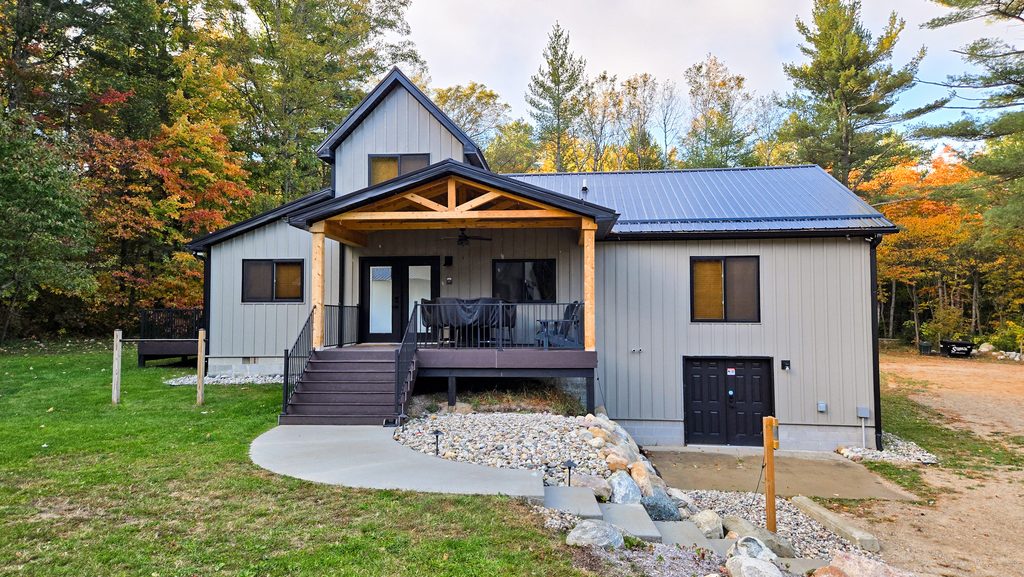
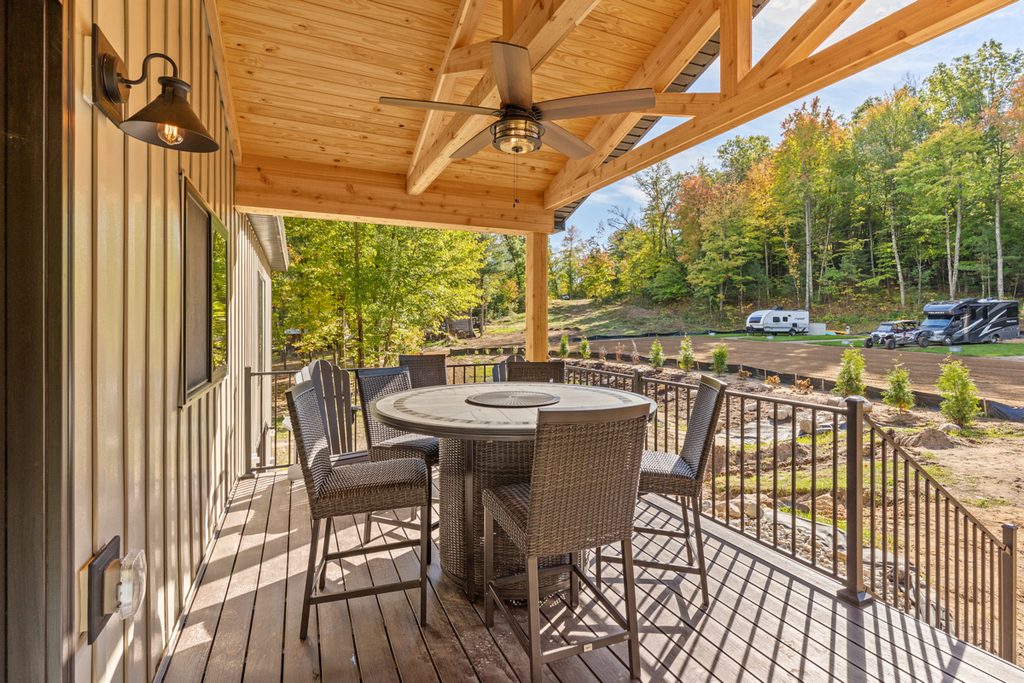
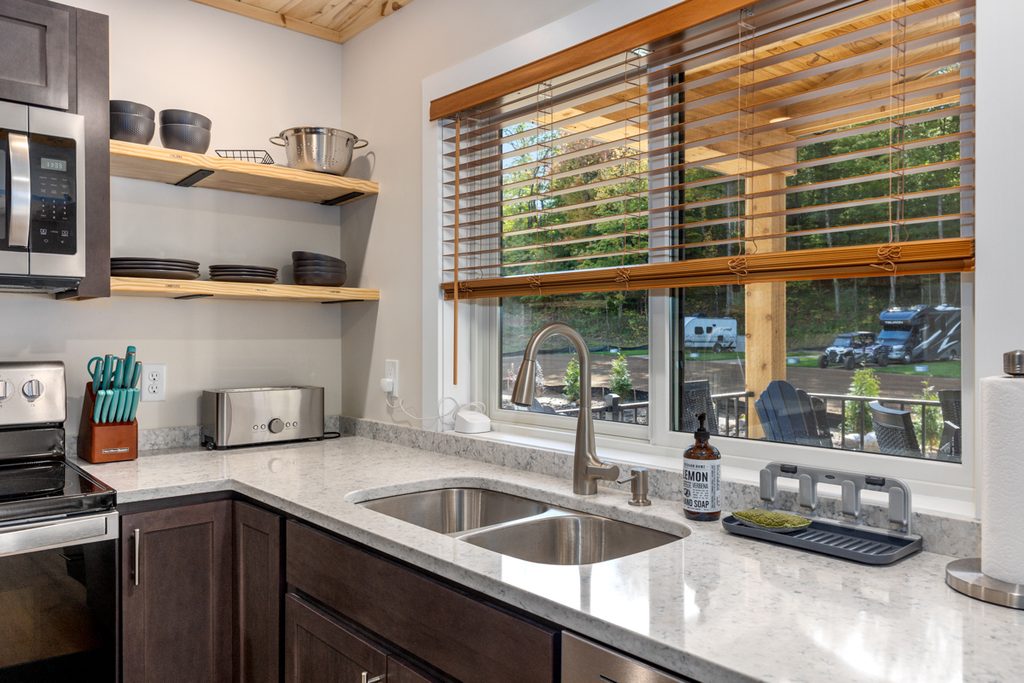
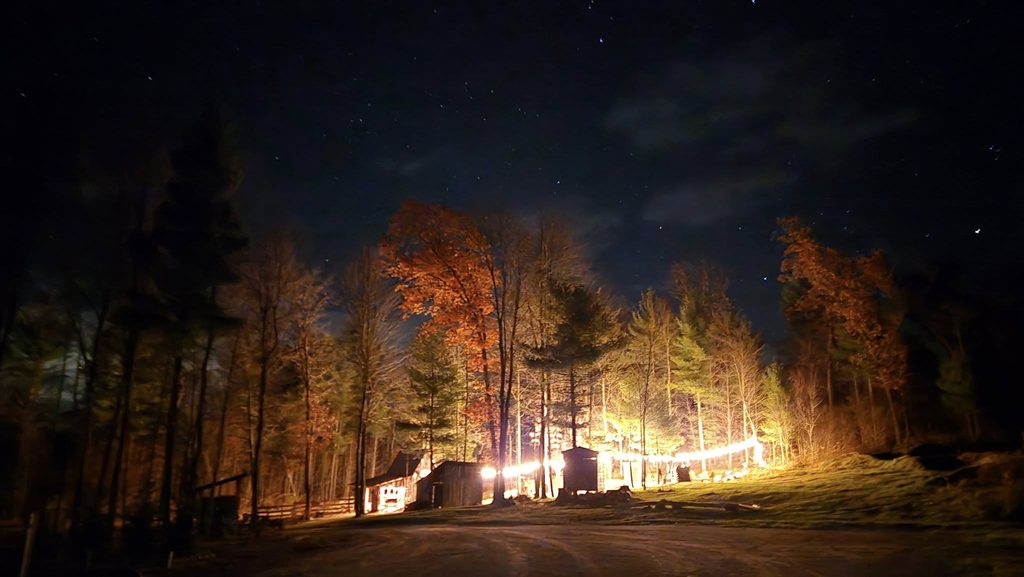
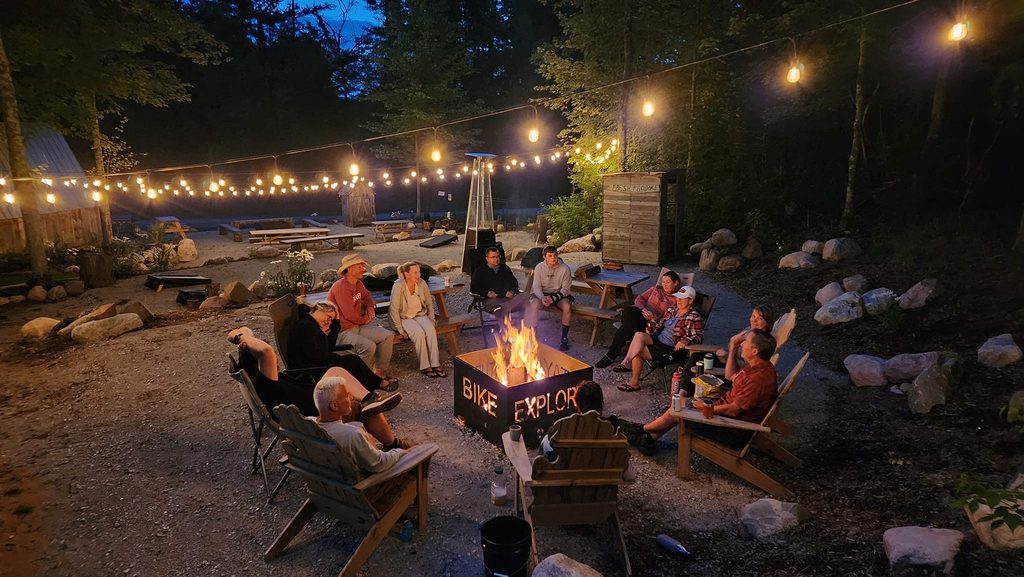
One of the advantages I bring to buyers interested in Michigan vacation homes and short-term rental properties is that I actually operate them myself!
Through Dragon Adventures Base Camp in Newaygo County, I’ve had firsthand experience with vacation lodging, cabins, recreation tourism and understanding what guests are looking for when they travel to an outdoor destination. That experience has changed the way I evaluate properties. I’m not simply looking at comparable home sales. I’m thinking about the guest experience, rental potential, recreation opportunities, operating expenses, property improvements and long-term value. Combine that experience with nearly 30 years of selling real estate throughout West Michigan, and I can help buyers look at a vacation property from several different angles before making the investment.
Looking for a Vacation Home or Short-Term Rental Property in West Michigan?
If you’re considering purchasing a vacation home, lake house, cabin, recreational property or short-term rental investment in West Michigan, I’d be happy to help you explore the possibilities. Whether you’re looking around Newaygo County, Hardy Dam Pond, the Dragon Trail, Muskegon River, Lake Michigan or another West Michigan recreation destination, we can look for a property that makes sense both personally and financially.
The goal doesn’t have to be choosing between a great investment and a great place to spend your weekends.
With the right property, you may be able to have both.