
3 Hidden Home Stressors That Impact Your Mental Health
Your home should be your sanctuary — a place where you can unwind, recharge, and feel at peace. But sometimes, small everyday factors in your environment can quietly chip away at your mental well-being. Three of the biggest culprits? Clutter, noise, and lighting.
Let’s take a closer look at how these common issues affect your mood and focus — and how to turn your space into one that truly supports your mental health.
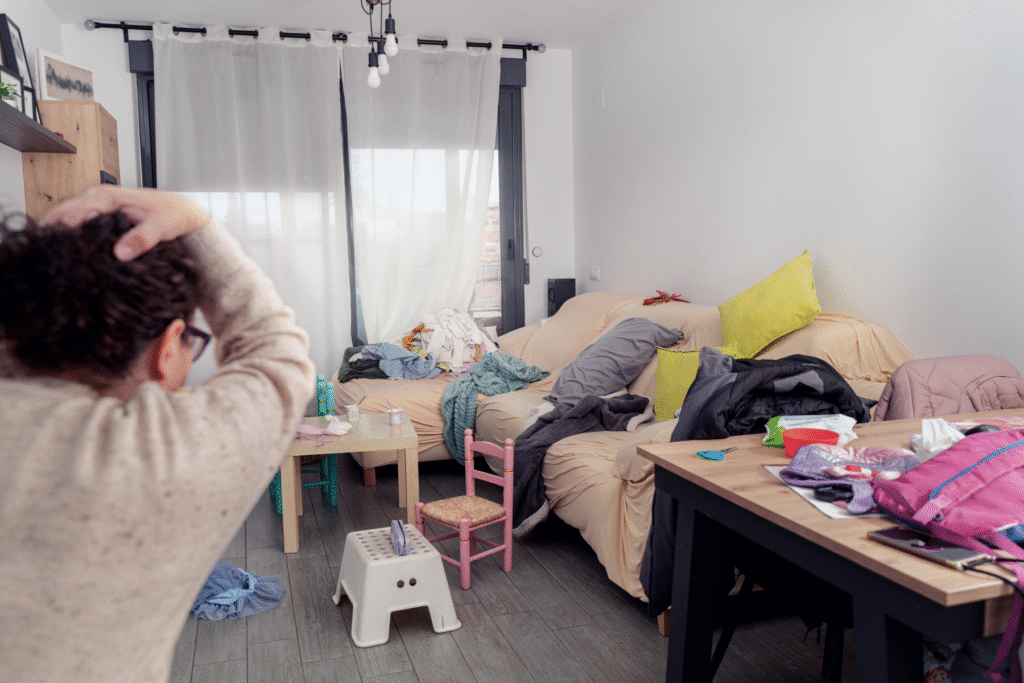
1. Clutter: The Invisible Stress Trigger
When every surface is covered and your to-do list includes “declutter,” your brain can struggle to fully relax. Research shows that clutter increases cortisol (the stress hormone) and makes it harder to focus or feel at ease. It’s not just about cleanliness — it’s about creating mental breathing room.
Try this:
- Start small. Focus on one space at a time — a drawer, a nightstand, or a countertop.
- Use the “one in, one out” rule. When you bring something new into your home, remove something else.
- Create a drop zone. Have a designated spot for keys, mail, and daily items so they don’t pile up everywhere.
The goal isn’t perfection — it’s peace. A tidy space can help your mind feel lighter and more organized, too.

2. Noise: The Constant Background Stressor
We often underestimate how much noise impacts our well-being. Whether it’s traffic outside, a loud TV, or constant alerts from your phone, noise can heighten stress, disrupt sleep, and reduce your ability to focus.
Try this:
- Identify your noise triggers. Notice which sounds bother you most and address those first.
- Add soft surfaces. Rugs, curtains, and upholstered furniture absorb sound and create a calmer atmosphere.
- Use sound intentionally. Try white noise, nature sounds, or calming music to drown out chaos and encourage relaxation.
Even a few minutes of quiet can reset your mind and help you feel more grounded.
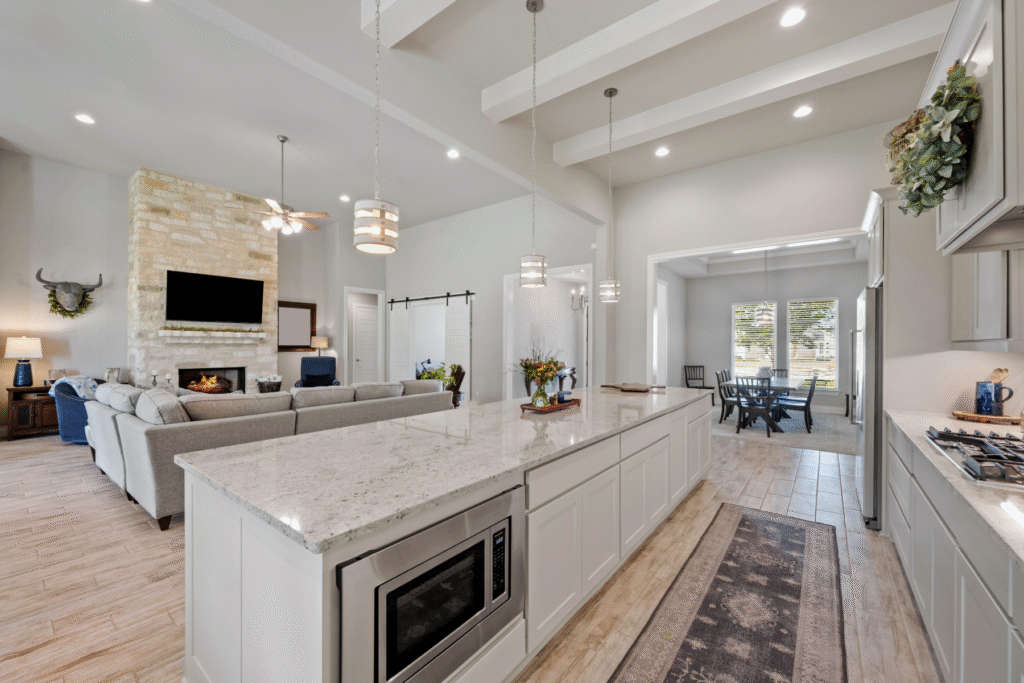
3. Lighting: The Mood Maker (or Breaker)
Lighting has a powerful effect on mood and energy. Harsh overhead lights can cause fatigue or anxiety, while dim or uneven lighting can make you feel sluggish or sad. On the flip side, natural light boosts serotonin levels and helps regulate your sleep cycle.
Try this:
- Maximize natural light. Open curtains and blinds during the day, and keep windows clean to let in more sunshine.
- Layer your lighting. Use a mix of overhead, task, and accent lights for flexibility throughout the day.
- Choose warm bulbs at night. Soft, warm lighting helps your brain wind down before bed, improving sleep quality.
Think of lighting as a tool to shape your mood — bright for energy, soft for calm.
The Takeaway
Your home has a direct impact on your mental health. By addressing clutter, noise, and lighting, you can create an environment that supports calm, focus, and happiness. You don’t need a total home makeover — just small, intentional changes that make your space feel like the retreat you deserve.
A Note for Homeowners
Owning a home isn’t just about the structure — it’s about the feeling you create inside it. A peaceful, well-balanced environment adds real value to your day-to-day life. Whether you’re settling into a new home or preparing to list one, paying attention to these small details can make a big difference in how a space looks, feels, and functions.
Creating a healthy home environment isn’t just good for your mental health — it’s one more way to love where you live. 🏡